Map
Counpons
Events
beecopedia
Blog Articles
Green FAQs
Green contents
Ecological role models
Seasonal Meals
Waste picnickers
Green labels
For companies
Zöld KKV szolgáltatások
Map and coupons!
Térkép, kupon, edukáció, események, statisztikák
Marketing és kiegészítő szolgáltatások
Blog, SEO, web, UX/UI, kommunikáció, social media
Corporate Services
Organizing a Green Event
Sokoldalú palettánk segít zöldíteni a csapatot!
Önkormányzatoknak
Hamarosan...
Campaigns
Our hive
HUN
ENG
Download!
beecopedia
/
Szezonális étkezés
/
Paprika
Paprika
Colour-java of Hungarian cuisine
High content of vitamin C
Especially in the red versions.
Source of potassium, vitamin A, vitamin E and folic acid
Helps digestion, lowers blood pressure
Spicy varieties invigorate metabolism, have anti-inflammatory effect
Almost fat-free, low-calorie
0. szint: légy kíváncsi!
Mit válthat ki?
Can be replaced with: bell peppers purchased outside the winter season or tropical vegetables from afar
An alternative to multi-packaged, processed snacks (e.g. chips, cheese puffs — paprika is also great for a snack)
Hot pepper paste can be a natural flavoring instead of seasonings full of flavor enhancers
Paprika dishes are also satisfying in vegan or vegetarian form - so you can also replace meat dishes
Fajtái
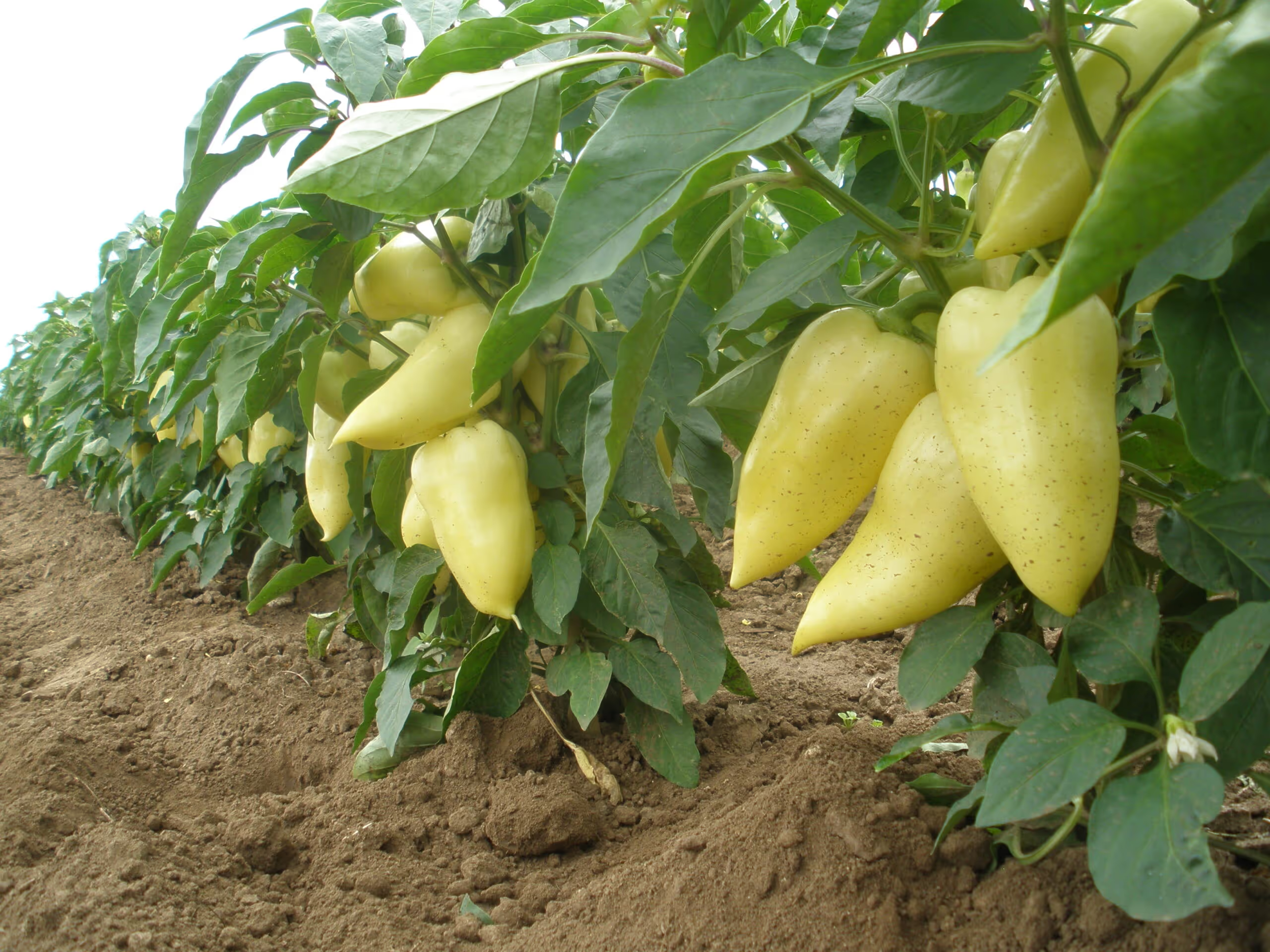
TV paprika
(to be filled): white or pale yellow, with a thin shell
Capsicum pepper:
meaty, sweet, red — baked is best
Bell pepper:
juicy, thick-fleshed, red/orange/yellow
Hot peppers:
e.g. a strong pistachio base, in several strengths
Spicy paprika:
dried, ground — hungariicum
Táp. tartalom (100g)
Energy: 31 kcal
Protein: 1.0 g
Carbohydrate: 6.0 g
Fiber: 2.1 g
Vitamin C: 150 mg
Vitamin A (beta-carotene): 3131 IU
Potassium: 211 mg
*tájékoztató jellegű
Forrás: https://diet.hu/kaloriatablazat/
1. szint: próbáld ki!
Itt szerezd be!
From June to October:
the tastiest in local markets, with small producers
Kapia and TV peppers at the best value for money from pick-your-own orchards
Spicy paprika: Kalocsa, Szeged area — sometimes directly from the producer
Avoid imported California peppers in winter — not only are they more expensive, but also less sustainable
Irány a térkép!
Így tárold!
Short term (3 to 5 days):
kitchen counter, if it is not too mature
Medium term (1 to 2 weeks):
refrigerate airtight, but do not wash it in advance
Long term (6-12 months):
frozen, dried or ground (as a spice)
Kapcsolódó receptek
Chickpea Mushroom Stew with Millet
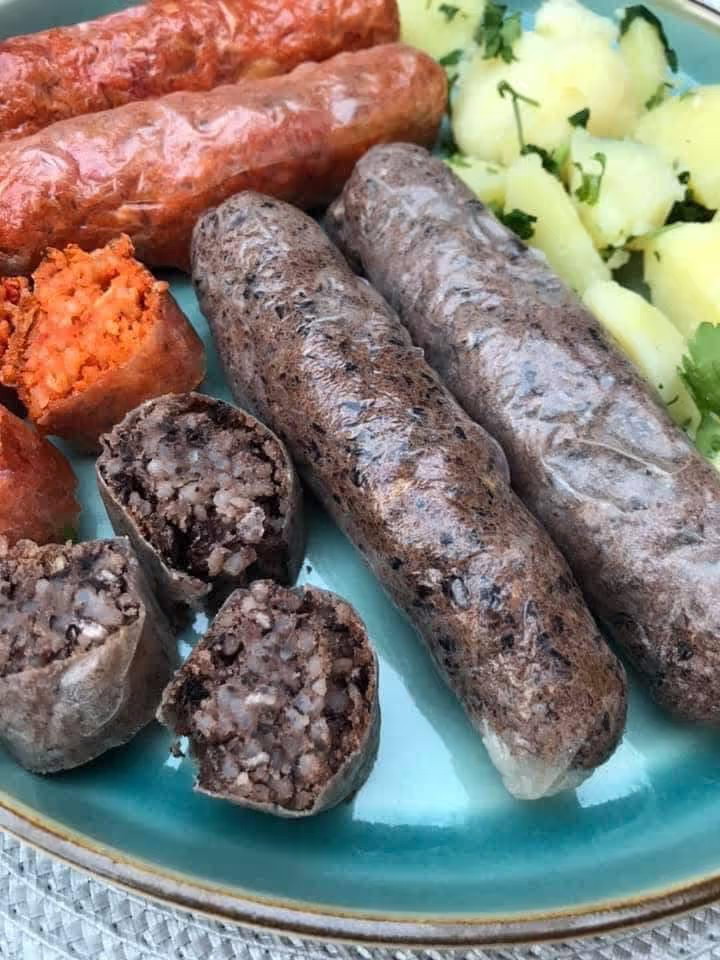
Vegán Kolbász
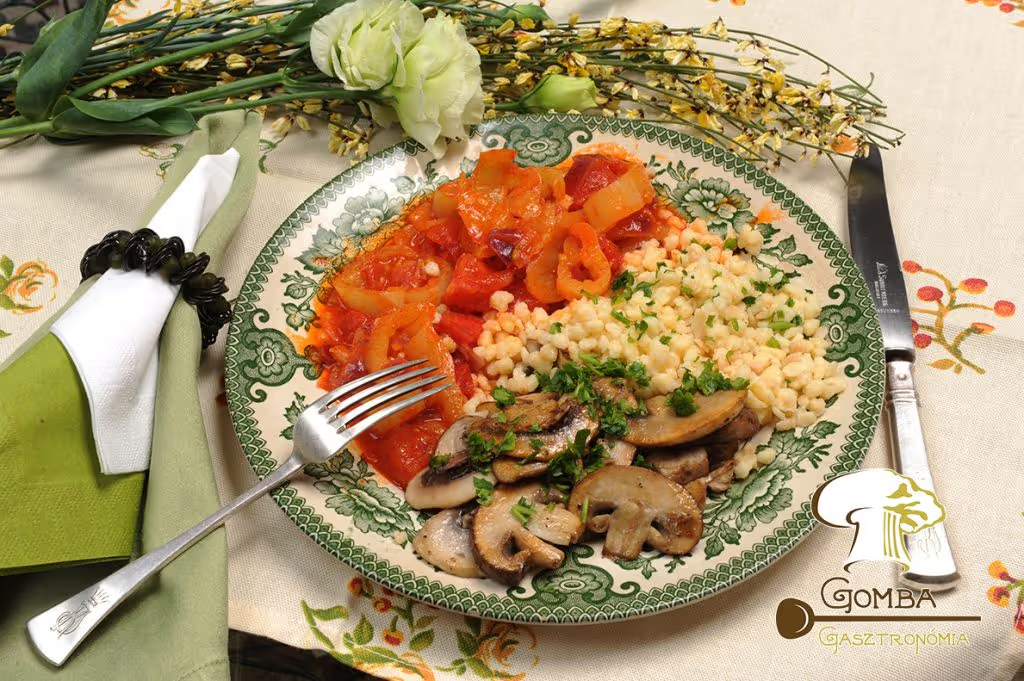
Gombás lecsó tarhonyával
2. szint: alkoss, gyarapíts!
Így termeld!
Warmth and sun lover
vegetables — best in the open field or in a foil sprayer
It can also be kept on a balcony, in a larger pot (minimum diameter of 25 to 30 cm)
Grows well in loose, nutrient-rich soil — fertilize regularly
Requires regular watering, but does not like stagnant water
Sensitive to temperature fluctuations - worth planting at the end of May
Így tartósítsd
Freezing:
sliced, uncooked or blanched
Baking + freezing:
roasted capsicum or bell pepper even into a sandwich
Drying:
in the form of hot or spicy peppers — ideal for drafty lofts
Vinegar dressing:
as a pickle or as a salad of peppers
Érdekességek
Termő időszak:
Augusztus
Július
Június
Szeptember
Eltarthatóság:
Július
Június
Augusztus
Szeptember
Október
Szén- és vízlábnyom
1
kg CO2e / 1kg
250
liter víz / 1kg
Forrás:
nutritics.com
Tippek, trükkök
Do not wash in advance, only immediately before use
Collect the seeds and seeds separately in compost - not in the drain!
Do you have too many peppers? Bake whole, peel and then freeze
You can make pepper peel pulp from a smoothie - for seasoning, sauces
Homemade Strong Pistachios can be made from leftover hot peppers with salt and oil
Tudtad?
Peppers are not vegetables,
botanically fruit
— because it is a crop which contains seeds
The strongest pepper in the world is the Carolina Reaper - but we prefer to vote for the lecho
The spice pepper is a real Hungarian story: in the 18th century it was naturalized by monks in the Southern Plains
Capsaicin, which causes pungency, is not only a taste, but
analgesic and metabolic stimulant
effected
Története
The paprika
Comes from Central and South America
where it has been cultivated for 6,000 years
It came to Europe in the 15th-16th centuries, following the travels of Columbus
It has been cultivated in Hungary since the 18th century in a larger volume, mainly in the Southern Plains
It has become an icon of Hungarian gastronomy, especially thanks to the spicy paprika — just think of the goulash!
Források
OMKI, NEBIH, FAO, Water Footprint Network, USDA, Eaternity, CarbonCloud, ScienceDirect
Fedezz fel további finomságokat!
Sárgarépa
Broccoli
Karalábé
Alma
A beeco app funkciói
Ismerd meg az ország leggyorsabban fejlődő zöld platformját!
Térkép
Fedezd fel a környéked és az ország zöldebb oldalát!
Kuponfüzet
Spórolj a beecoval és tégy jót a bolygóval!
Eseménynaptár
Az ország zöld eseményei egy helyen! Kapcsolódj és ökosodj!
Ökos tippek, trükkök
Napi praktikáinkkal csökkentheted a lábnyomod!
Irány az app!